

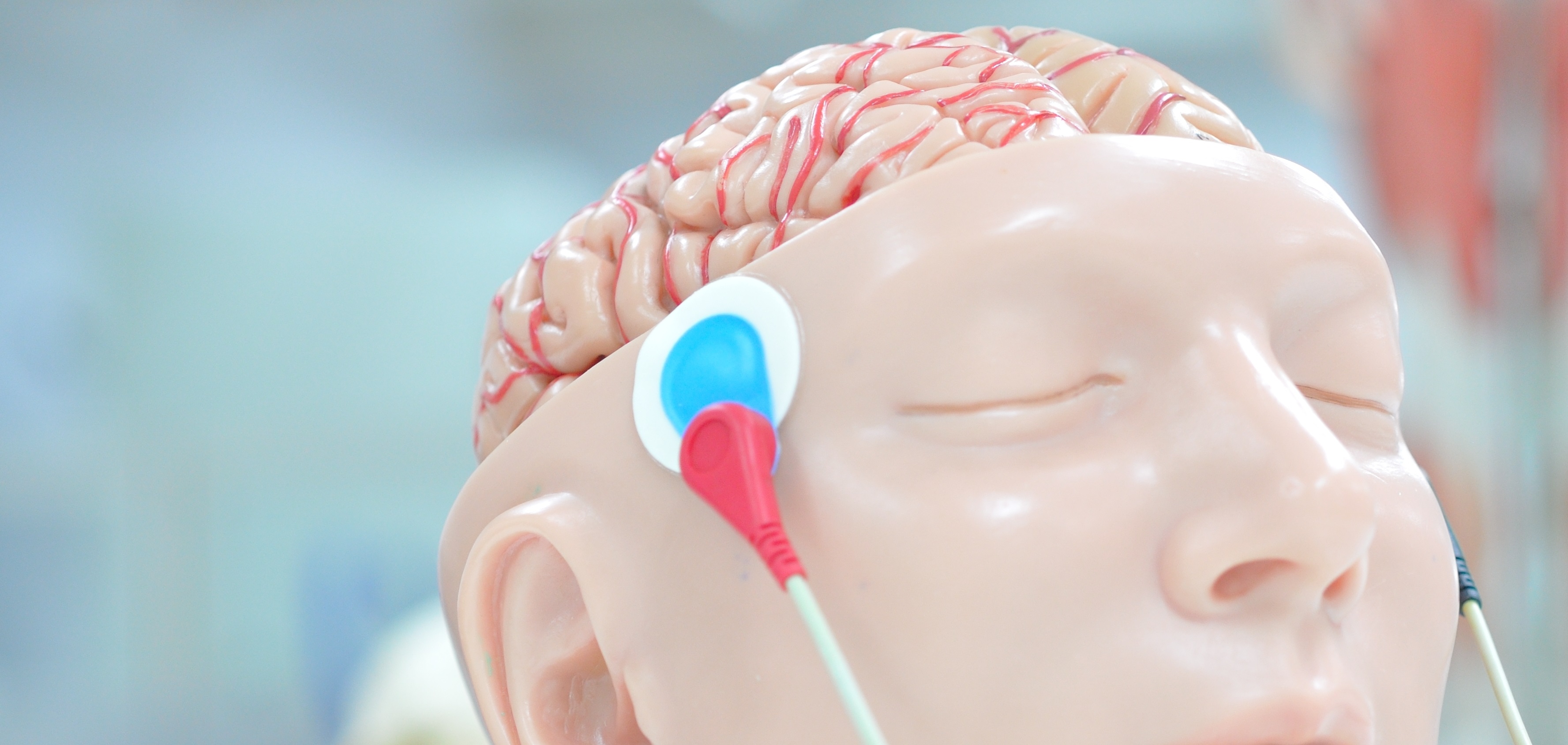
While science explores the use of other chemical compounds, such as anxiolytics (tranquilizers) and anti-inflammatories for epilepsy, a growing number of patients are turning to alternative therapies to manage the disorder. These options include regulated diets, electrical devices, and surgical procedures.
Translated from Portuguese.
For about 70% of epilepsy patients, continuous use of common anticonvulsants, such as valproate, phenobarbital, and carbamazepine, effectively controls the condition. Of the remaining patients, 15% find a cure through surgeries that remove the affected portion of the brain, while 6% rely on implanted electrodes that regulate brain activity. The last 9% see a reduction in seizures through treatment, though the seizures are not entirely eliminated.
Understanding Epilepsy
Epilepsy involves temporary disruptions in brain activity, which can be triggered by severe impacts, sleep deprivation, low blood sugar, or sensory stimuli. Symptoms can range from subtle signs, often mistaken for less serious conditions like fatigue or stress, to noticeable episodes. Epilepsy can manifest in two primary ways: partial or generalized seizures.
In partial seizures, the brain’s response may cause dizziness, tremors, involuntary movements, or a sense of absence. These occur when the disruption is localized to a specific area, potentially affecting speech or motor coordination. Generalized seizures, the more widely recognized type, involve convulsions where the person loses consciousness and control of body movements. Muscles contract irregularly, causing violent movements that may result in injuries. Eyes may blink rapidly, froth may form in the mouth, and bleeding from the nose or ears can occur.
Without proper treatment, a partial seizure can evolve into a generalized one, intensifying the condition. It is crucial to note that while all epilepsy cases involve seizures, not all seizures are caused by epilepsy. Factors like drug or alcohol abuse, excessive caffeine intake, or severe stress can lead to seizures that may never recur.
Globally, data from the Disability-Adjusted Life Year (DALY) research in 2002 estimated that around 1.5% of the world’s population lives with epilepsy. In Brazil, approximately 140 in every 100,000 people had epilepsy at that time. The highest incidence occurs in Africa, with nearly 300 cases per 100,000 inhabitants, double the global average.
Treating Epilepsy
Patients often undergo trials with different medications to determine the most effective treatment. According to neurologist Nívia Kouyoumdjian, “Due to the brain’s flexibility, once the correct medication is identified, continuous treatment lasting at least five years is typically necessary to eliminate symptoms.”
Effective treatment requires proper dosing and selecting the right medication for the specific brain area causing the disorder. Diagnosis involves neuroimaging, clinical history analysis, and detailed accounts of the seizures. Research over the last 50 years has significantly improved the ability to identify the causes of seizures and reduce errors in prescribing medication.
Kouyoumdjian highlights that newer drugs, such as lamotrigine and topiramate, show promise but often come with side effects. Common side effects include drowsiness, insomnia, difficulty concentrating, and emotional instability.
Another medical approach is Vagus Nerve Stimulation (VNS) therapy, which involves implanting an external pacemaker that stimulates the vagus nerve in the neck. “The downside is its cost, and like other therapies, it does not guarantee success for all individuals,” says Kouyoumdjian.
In extreme cases, traditional surgical interventions may be necessary. These surgeries either remove the part of the brain causing seizures or implant internal electrodes to regulate activity. However, these procedures carry risks, including physical impairments linked to the affected brain area, and post-surgery care may involve additional precautions.
Ana Balkar’s son, João Henrique, experienced his first seizure at age four. After multiple daily seizures, doctors recommended surgery, performed when he was five. A year after the operation, João continues anticonvulsant therapy and is expected to complete treatment within two years to ensure his brain develops without complications.
Other surgical options, such as lobectomies and topectomies, can reduce seizures without guaranteeing a cure. These procedures require thorough pre-surgical evaluations. However, limited access to well-equipped neurosurgical centers in Brazil poses a challenge. Only seven state capitals (Brasília, Minas Gerais, Paraná, Rio de Janeiro, Rio Grande do Sul, Santa Catarina, and São Paulo) offer such services through the public health system (SUS).
A Social Issue
Beyond its physical and neurological effects, epilepsy has social consequences. Psychiatrist Antonio Yakubian explains, “Epilepsy patients often isolate themselves due to fear of the seizures and the stigma surrounding the condition.” The experience of seizures can lead to psychological issues like panic attacks and depression.
Public education is crucial to combat these challenges. The Brazilian League of Epilepsy (LBE) provides resources not only for patients but also for their families, friends, and coworkers. Understanding seizure triggers, prevention methods, and emergency procedures helps foster inclusion and safety.
Marilene Santos recalls experiencing her first seizure at work: “I was at the express checkout counter when I felt a strong tremor in my leg and severe pain in my body before passing out. When I woke up, I was in the hospital.” After the incident, she left her job and fell into depression. With her husband’s encouragement, she sought treatment and eventually returned to work after two years.
Yakubian emphasizes that epilepsy itself does not affect a person’s ability to learn or perform tasks. “Challenges arise from excessive medication use, embarrassment, or social exclusion,” he says. Myths about epilepsy, fueled by a lack of public education, remain barriers to societal acceptance.
Dispelling Myths
Contrary to outdated beliefs, epilepsy is not contagious. Historical misconceptions, such as those linking epilepsy to witchcraft or demonic possession, have contributed to the stigma. The Bible’s Gospel of Mark describes Jesus healing a boy with seizures, attributing the condition to an evil spirit. In medieval times, people with epilepsy were often accused of witchcraft. It wasn’t until the 19th century that epilepsy was recognized as a chronic neurological disorder.
Patients must also make informed decisions about their lifestyles. For example, certain jobs—such as operating heavy machinery—may not be safe for those with a seizure history. Driving requires precautions, including having a companion and avoiding high-speed routes to reduce accident risks.
Organizations like the LBE and the Brazilian Association of Epilepsy (ABE) aim to educate the public and provide psychological support. By promoting understanding, they seek to help epilepsy patients live without fear or discrimination.
 Patrick Inada